Top 4L Electric Pressure Cooker Manufacturers for Global Buyers

Time:2026-09-13 Author:Madeline
0%

Choosing a reliable 4l Electric Pressure Cooker manufacturer requires more than comparing factory prices. Global buyers must examine product safety, manufacturing consistency, documentation, and after-sales support. A polished website is not enough.

This guide introduces four manufacturers serving international markets. It considers production experience, pressure-control design, heating performance, material quality, and quality-management practices. It also looks at practical details, including stainless-steel inner pots, silicone sealing rings, control-panel clarity, and carton protection during long-distance shipping. These details matter when products move from a factory floor to a busy family kitchen.

Evidence matters most. Supplier evaluations should include factory audits, sample testing, traceable inspection records, and relevant market certifications. Buyers should confirm whether the stated capacity is usable cooking volume or total pot volume. That difference can affect recipes, packaging claims, and customer expectations. Small details matter.

No manufacturer is perfect. Even experienced suppliers may show weaknesses in communication, customization, spare-part availability, or delivery planning. A sample may perform well while a larger production batch reveals inconsistency. That possibility deserves attention, not polite assumptions. We therefore compare strengths and limitations instead of presenting a simple ranking. The final choice should reflect the buyer’s target market, order volume, voltage requirements, and service commitments. Reliable sourcing is not only about finding a capable factory. It is about building a verifiable relationship with clear responsibilities.
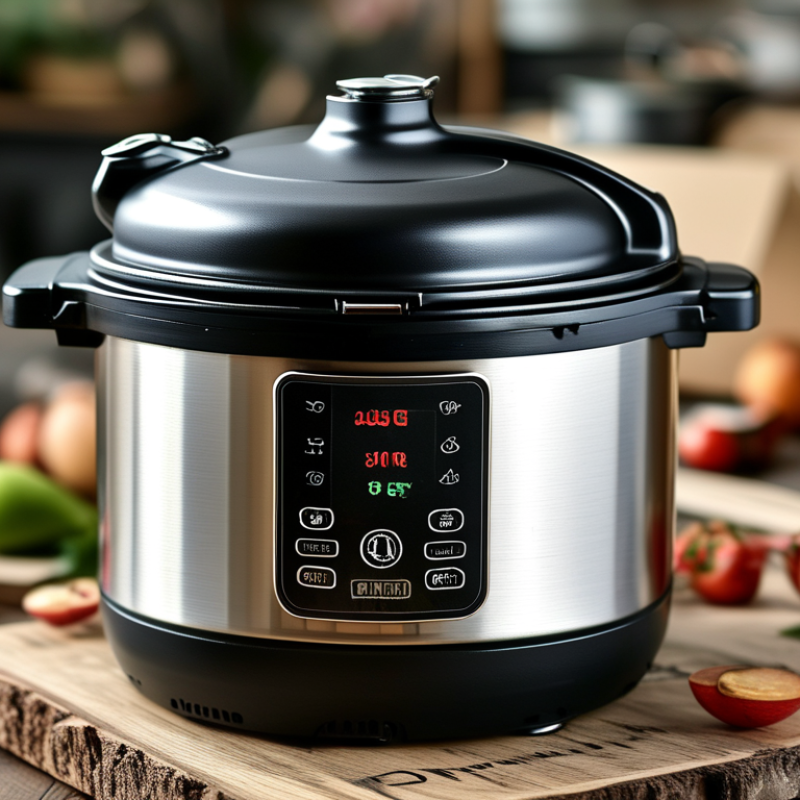
Top 4L Electric Pressure Cooker Manufacturers for Global Buyers

Understanding the 4L Electric Pressure Cooker Market

Understanding the 4L Electric Pressure Cooker Market

The 4L electric pressure cooker occupies a practical space in global home appliance markets. It suits small families, couples, and compact kitchens. A typical unit can prepare rice, beans, soup, or a modest stew. Its size also helps reduce storage problems.

However, capacity labels can be misleading. Usable cooking volume is usually lower than the advertised 4L capacity. Buyers should check the marked maximum fill line before comparing models.

Manufacturers serving international buyers must control more than heating performance.

Stable pressure regulation, accurate temperature sensors, and dependable sealing rings directly affect daily use. A useful factory evaluation includes repeated cooking cycles, cool-down checks, and inspection of the lid-lock mechanism.

Electrical compatibility also matters. Voltage, plug design, manuals, packaging, and food-contact materials may require market-specific adjustments. Test reports and traceable quality records offer stronger evidence than polished product photos.

Details reveal manufacturing discipline.

Ask how suppliers manage batch consistency, spare parts, warranty claims, and final inspections. A sample may perform well while later production varies. That is a real concern.

I would compare several units from different batches, not only one showroom sample. Noise, steam release, button response, and cleaning around the lid deserve attention.

The cheapest quotation can become expensive when seals, controllers, or replacement documentation are difficult to obtain. Some buyers still overlook after-sales support. That gap deserves more careful review.

Key Criteria for Selecting a 4L Cooker Manufacturer

Top 4L Electric Pressure Cooker Manufacturers for Global Buyers

Key Criteria for Selecting a 4L Cooker Manufacturer

Choosing a 4L electric pressure cooker manufacturer requires more than comparing prices. A reliable supplier should explain heating performance, pressure control, and cooking capacity clearly. Ask for test records covering leakage, temperature stability, lid locking, and repeated pressure cycles. These details reveal factory discipline better than polished product photos.

Inspect the inner pot material and coating specifications. Request food-contact documentation, batch records, and sample units from regular production. A serious manufacturer should provide traceable quality reports and support independent inspections. Check whether the 4L model delivers practical capacity after accounting for safe-fill limits. The advertised volume may not equal usable cooking space.

Production experience matters. Ask how many units the factory makes monthly and how it handles component shortages. Review warranty terms, spare-part availability, and response times before signing an order. I would also test several samples, not just one. Small differences in sealing rings or control panels can appear between batches. That is easy to overlook.

A low quotation can look attractive. It may hide weaker sensors, thinner wiring, or inconsistent assembly. Ask for a clear cost breakdown and realistic lead time. Manufacturers serving global buyers should understand local labeling, plug requirements, packaging, and importer documentation. Certifications should match the destination market and remain verifiable. No supplier is flawless. However, transparent answers, repeatable testing, and honest limitations usually indicate a dependable manufacturing partner.

Top 4L Electric Pressure Cooker Manufacturers for Global Buyers

Top 4L Electric Pressure Cooker Manufacturers for Global Buyers

For global buyers, the top 4L electric pressure cooker manufacturers offer more than attractive product photos. They provide stable heating, accurate pressure control, and clear user instructions. A 4L bowl suits small families, apartments, and compact commercial kitchens. Buyers should inspect inner-pot thickness, gasket quality, lid-lock performance, and cable durability. These details often decide whether a cooker performs well after months of daily use.

Reliable manufacturers usually maintain documented quality systems and perform pressure, temperature, leakage, and electrical safety tests. Ask for recent inspection records, sample reports, and production photographs. Confirm whether testing follows the destination market’s requirements. Certification names and import rules differ across regions, so buyers must verify them independently. Factory audits can reveal practical issues, such as poor warehouse storage or inconsistent assembly.

After-sales support also separates capable manufacturers from ordinary suppliers. Check spare-part availability for sealing rings, valves, and control panels. Request a realistic warranty policy, not only a polished sales promise. In sourcing reviews, a working sample often reveals more than a long specification sheet. I have seen attractive units produce uneven cooking because temperature sensors were poorly calibrated. That problem is easy to miss. Manufacturers should explain their calibration process, batch controls, and corrective actions. Buyers should also test voltage compatibility, packaging strength, and instruction clarity before placing a large order.

Top 4L Electric Pressure Cooker Manufacturers for Global Buyers

Supplier Profile Typical Product Positioning Nominal Capacity Typical Rated Power Voltage Configurations Core Cooking Programs Safety Features Global Buyer Considerations
Manufacturer Profile A
High-volume OEM supplier
Private-label models for supermarkets, online retailers, and household-appliance distributors. 4.0 L
Practical fill limit: approximately two-thirds of the inner pot for pressure cooking.
Approximately 800–1,000 W, depending on heating plate design and target market. 220–240 V, 50 Hz markets
110–120 V, 60 Hz markets
Pressure cook, slow cook, steam, sauté, rice, soup, meat, beans, and keep-warm. Locking lid, pressure-release mechanism, overheat protection, float valve, and pressure-control protection. Confirm plug type, local electrical approval, language requirements, carton markings, and replacement-part support.
Manufacturer Profile B
Custom-design OEM/ODM supplier
Customized control panels, housing colors, packaging, recipes, and user-interface languages for regional brands. 4.0 L
Suitable for small- to medium-sized households; usable pressure-cooking volume is lower than the nominal capacity.
Approximately 700–1,000 W, with power selected according to voltage and heating-speed requirements. 100–120 V, 60 Hz
220–240 V, 50/60 Hz
Pressure cook, manual pressure, steam, slow cook, yogurt, reheat, sauté, and delayed start. Lid-position detection, anti-block shield, automatic pressure release, thermal fuse, and temperature monitoring. Request sample approval, firmware confirmation, food-contact material documentation, and production consistency checks.
Manufacturer Profile C
Cost-efficient export supplier
Standardized 4L models focused on competitive pricing, simplified controls, and high-volume export orders. 4.0 L
Recommended pressure-cooking load should remain below the maximum marked fill line.
Approximately 700–900 W for common household configurations. 220–240 V, 50 Hz
110–120 V, 60 Hz
Pressure cook, rice, soup, meat, beans, steam, slow cook, and keep-warm. Mechanical pressure regulator, safety lock, overpressure protection, dry-burn protection, and detachable sealing ring. Compare total landed cost, minimum order quantity, warranty terms, spare sealing rings, and after-sales procedures.
Manufacturer Profile D
Feature-focused appliance supplier
Digital models emphasizing programmable cooking, convenience features, and premium retail presentation. 4.0 L
Appropriate for compact kitchens and smaller family portions.
Approximately 800–1,000 W, depending on heating performance and control-system configuration. 110–120 V, 60 Hz
220–240 V, 50 Hz
Pressure cook, slow cook, steam, sauté, rice, soup, cake, yogurt, reheat, delay timer, and keep-warm. Automatic pressure control, lid-lock sensor, excess-temperature protection, steam-release control, and memory-safe operation. Verify display language, electromagnetic-compatibility testing, software functions, packaging durability, and user-manual localization.

Quality Standards, Certifications, and Safety Requirements

Top 4L Electric Pressure Cooker Manufacturers for Global Buyers

Quality Standards, Certifications, and Safety Requirements

Reliable 4L electric pressure cooker manufacturers treat safety as a tested process, not a printed certificate. Buyers should request reports based on IEC 60335-1 and IEC 60335-2-15, where applicable. These standards address household appliances, heating systems, pressure functions, insulation, and abnormal operation. A qualified factory should also provide traceable batch records, calibration logs, and production inspection results. Small details matter. Loose wiring can become a serious hazard.

Market access requirements vary by destination. CE marking may apply in the European Union, while UKCA requirements can apply in Great Britain. North American buyers often request certification from recognized testing organizations, depending on the sales channel and region. Food-contact materials should meet the destination market’s applicable requirements. The manufacturer should identify plastic grades, gasket materials, coatings, and migration test results clearly. Never accept vague compliance statements.

During factory evaluation, inspect the lid-lock mechanism, pressure release path, thermal fuse, grounding, and steam control. Ask for endurance testing with repeated heating and pressure cycles. Review sample units after transportation, not only fresh production samples. A certificate alone can still hide weak assembly control. In my experience, supplier audits often reveal missing labels or inconsistent screws. No factory is flawless. The reliable ones document mistakes, correct them, and verify the correction before shipment.

How Global Buyers Can Compare Suppliers and Manage Orders

Top 4L Electric Pressure Cooker Manufacturers for Global Buyers

Choosing among 4L electric pressure cooker manufacturers requires more than comparing unit prices. Global buyers should verify heating performance, pressure control, inner-pot materials, voltage options, and plug compatibility. A supplier’s factory experience matters, but documented evidence matters more. Request product specifications, test reports, factory images, and recent production references before negotiating volume.

Order samples from two or three shortlisted suppliers. Test cooking time, sealing, steam release, display accuracy, and lid locking under repeated use. Check whether the manual explains warnings clearly in the destination language. Ask about food-contact materials and applicable electrical safety requirements in each target market. Small details matter. A loose carton can create expensive damage during ocean transport.

Compare quotations using the same conditions. Confirm minimum order quantity, tooling charges, packaging design, spare parts, warranty response, and delivery terms. A low price may exclude inspection or export packaging. It can become costly later. Use a written purchase agreement with approved samples, production milestones, tolerance limits, and payment stages. Independent pre-shipment inspection is useful, although it cannot replace factory supervision. I have found that buyers often rush approval after receiving a good sample. That is risky, because mass production may use different components. Keep communication records, approve every label, and review changes before shipment. Some plans will fail. Leave time for rework.

Top 4L Electric Pressure Cooker Manufacturers for Global Buyers

A practical supplier-comparison framework for evaluating production capability, order reliability, documentation, and export readiness without relying on brand names.

The 100-point weighted index combines commonly used global sourcing criteria: factory audit readiness, minimum-order flexibility, lead-time predictability, export documentation, and order visibility. Buyers can use the same dimensions to compare quotations, define purchase-order requirements, and monitor supplier performance.

FAQS

Who is a 4L electric pressure cooker suitable for?

It suits couples, small families, and compact kitchens. It can prepare rice, beans, soup, or a modest stew. Storage is easier.

Is the advertised 4L capacity fully usable?

Usually, no. The safe cooking volume is lower than the advertised capacity. Check the marked maximum fill line before comparing models.

Which safety features should buyers inspect?

Check pressure regulation, temperature sensing, sealing rings, lid locking, steam release, grounding, and thermal protection. Loose wiring is unacceptable.

What testing should a supplier provide?

Request repeated cooking-cycle tests, cooling checks, pressure tests, and lid-lock inspections. Review calibration records and batch inspection results. Photos are not enough.

How can buyers compare different suppliers fairly?

Request samples from two or three suppliers. Compare cooking time, sealing, steam release, display accuracy, noise, and button response. Test repeated use.

What electrical details must be confirmed?

Confirm voltage, plug design, frequency, manuals, and destination-market requirements. A suitable appliance needs more than strong heating performance.

Which materials deserve careful review?

Ask about the inner pot, coatings, plastic grades, gasket materials, and food-contact compliance. Request migration test results when required. Vague answers worry me.

What should a purchase agreement include?

Include approved samples, production milestones, tolerance limits, packaging details, spare parts, warranty response, and payment stages. Write everything down.

Why can a low quotation become expensive?

It may exclude inspection, stronger cartons, spare parts, or export packaging. Replacement seals and controllers can later cost more. Cheap is not always cheap.

Can one successful sample prove production quality?

No. Later batches may use different components or show weaker assembly. Compare several units when possible. I have trusted one sample before, and that was imperfect.

Conclusion

The global 4l Electric Pressure Cooker market is expanding as households, food-service businesses, and private-label retailers seek compact, energy-efficient cooking solutions. For buyers, selecting the right manufacturer requires more than comparing prices. Important factors include product durability, heating performance, pressure-control accuracy, user-friendly design, customization capabilities, production capacity, and reliable after-sales support. A qualified supplier should also demonstrate consistent quality management and clear communication throughout the purchasing process.

When comparing manufacturers, global buyers should review certifications, material safety, electrical compliance, factory inspection records, and testing procedures for pressure and temperature control. Order management should cover sample approval, technical specifications, packaging, labeling, lead times, payment terms, and inspection arrangements. By evaluating suppliers against these criteria, buyers can reduce quality risks, improve supply-chain efficiency, and establish dependable long-term cooperation in the international 4l Electric Pressure Cooker market.


Madeline

Madeline

Madeline is a dedicated marketing professional with a wealth of expertise in our company's core offerings. With a keen understanding of the industry, she brings a unique perspective to her role, consistently delivering high-quality content that highlights the superior aspects of our products. As......